
Flags of Convenience: A Cloak for Illicit Maritime Activity (Part I)
November 18, 2025
By Tanya Tono
The Dark Side of Open Registries
In the global shipping industry, “flags of convenience” (FoC) refer to the practice of registering a vessel in a country other than where its owners are based. These open registries often feature lax oversight, lower fees, and looser regulations, attracting shipowners seeking to reduce costs or conceal their activities. Unfortunately, FoCs have also become a cloak for illicit maritime activity, enabling everything from drug smuggling and money laundering to illegal fishing and sanctions evasion.
Cocaine in the Cargo: Smugglers Set Sail
Recent cases illustrate how FoC-flagged ships serve as conduits for narcotics trafficking. In late 2022, U.S. Customs and Border Protection (CBP) officers in Puerto Rico made a stunning discovery: 877 pounds of cocaine were concealed aboard the M/V Kydon, a Bahamas flagged car ferry operating between San Juan and Santo Domingo. Traffickers had hidden 355 brick shaped packages of cocaine under the floorboards of a cargo platform on the ferry, which CBP inspectors uncovered during a routine inspection.
Earlier, in 2019, another FoC ship (the MSC Desiree, flagged in Madeira) was found carrying an even larger haul in Philadelphia. Authorities opened a container on the MSC Desiree to find 13 duffel bags filled with 450 bricks of cocaine, totaling 1,185 pounds with an estimated street value of $38 million. At the time, it was one of the largest cocaine seizures at the Port of Philadelphia.
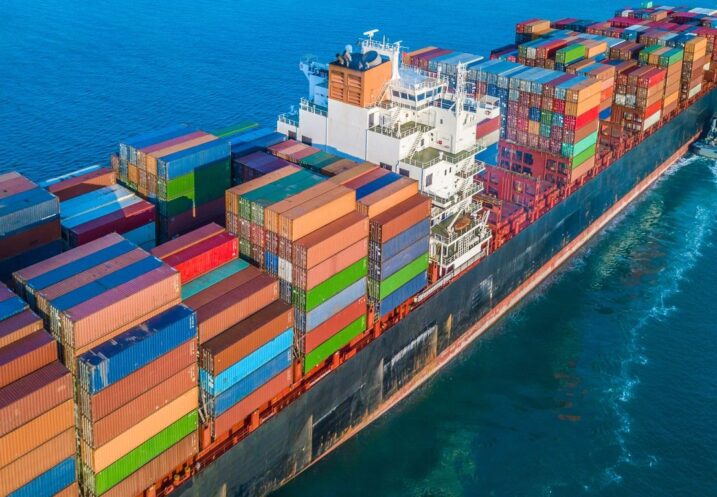
In 2021, a multi agency task force boarded the bulk carrier Samjohn Solidarity (958 foot, Panamanian flagged) as it lay anchored in the Chesapeake Bay. Hidden in the ship’s anchor locker, they discovered 20 bricks of cocaine (approximately 44 pounds) of high purity powder bound for U.S. streets. These cases demonstrate how drug cartels exploit FoC vessels, from humble ferries to giant container ships, to smuggle narcotics, relying on weak inspections and the anonymity afforded by certain flags.
Bulk Cash and Black-Market Billions
Illicit flows are not limited to drugs. Flags of convenience also facilitate the movement of bulk cash and illicit profits by sea. A dramatic example occurred in 2020 when U.S. federal agents in San Juan seized an unprecedented cache of dirty money on a Togolese flagged freighter. Acting on a tip, CBP, DEA, and Homeland Security investigators searched the Norma H II (an aging cargo ship flying the flag of Togo) before it departed for the U.S. Virgin Islands. They uncovered 34 unmanifested boxes stuffed with $27 million in undeclared cash, shrink wrapped and hidden among household goods.
Authorities called it a historic money seizure in the Caribbean, likely tied to drug trafficking proceeds being laundered offshore. As one official noted, bulk cash smuggling has become a preferred method for traffickers to repatriate illicit earnings without detection. The Norma H II case underscores how ships registered in permissive jurisdictions can be used to ferry enormous sums of dirty money, exploiting gaps in customs scrutiny for vessels under certain foreign flags.
Human Trafficking and Illegal Fishing at Sea
Perhaps the most tragic abuse of FoCs occurs in the global fishing industry, where rogue operators use distant water fishing vessels to engage in illegal, unreported, and unregulated (IUU) fishing and even forced labor on their crews. In 2019, U.S. authorities issued a rare import ban on seafood tied to a Vanuatu flagged fishing boat named Tunago No. 61. A Withhold Release Order halted all tuna harvested by the Tunago No. 61 from entering U.S. ports after investigations revealed egregious crew abuse. Earlier, crew members had reported being beaten by officers. In one case, the ship’s captain was murdered by six desperate Indonesian fishermen who had been enslaved at sea without pay for 16 months. It was the first time the U.S. had ever blocked a fishing vessel’s catch over forced labor concerns, signaling that horrific labor conditions at sea would no longer remain invisible.
Two years later, in 2021, CBP took aim at another distant water fishing vessel, the Hangton No. 112. This Fiji-flagged longliner, operated by a Chinese national, had imported an estimated $40 million in tuna into the U.S., all while allegedly keeping its crew in slave-like conditions. U.S. officials found evidence of withheld wages, debt bondage, and confiscated passports on the Hangton No. 112, prompting a ban on its seafood. Notably, both the Tunago No. 61 and Hangton No. 112 flew flags of small Pacific nations (Vanuatu and Fiji), far from the oversight of the crews’ home countries. These flags of convenience enabled unscrupulous owners to sidestep labor laws and perpetuate abuse on the high seas in pursuit of profit.
Evasive Tactics: Hiding in Plain Sight
FoC registries not only offer lower standards but also provide shipowners a convenient veil of anonymity and an opportunity to reset a ship’s identity when trouble arises. It is not uncommon for a vessel implicated in wrongdoing to quickly reflag and rename itself to evade scrutiny. For example, a bulk carrier called Pan Jasmine (at the time registered in Panama) was expelled from U.S. waters in 2021 after inspectors in New Orleans found it had invasive wood boring insects in its dunnage (packaging wood), a major environmental threat. Within months of that incident, the ship’s owners quietly changed its name and flag. The Pan Jasmine was reborn under a new identity, now sailing as Ethra Gold under a different flag, effectively scrubbing its record clean for port state authorities.
Such shape-shifting is disturbingly easy in the FoC system. Owners move between “indifferent registries” that ask few questions, allowing vessels to obscure their histories of safety violations, environmental fines, or illicit ties. This chameleon act is employed by participants in the burgeoning “dark fleet,” a shadow network of tankers and freighters that manipulate registries, tracking data, and ship names to evade sanctions. Maritime security analysts estimate at least 600 to 1,000 vessels now make up this dark fleet, transporting sanctioned oil or cargo under constantly changing flags and shell companies. Their activities undermine global law enforcement and sanctions regimes, illustrating how regulatory arbitrage on the high seas has profound global security implications.
Shining a light on the opaque world of flags of convenience is vital for both national security and financial integrity. Whether it involves tons of cocaine packed in shipping containers, millions of illicit dollars hidden in cargo, or abused crews on distant fishing boats, the common thread is a system that allows ships to operate under flags that will not hold them accountable. These threats have come to the attention of the U.S. Federal Maritime Commission which is exploring ways to address the harm caused by FoC ships. More on this in Part II next week.